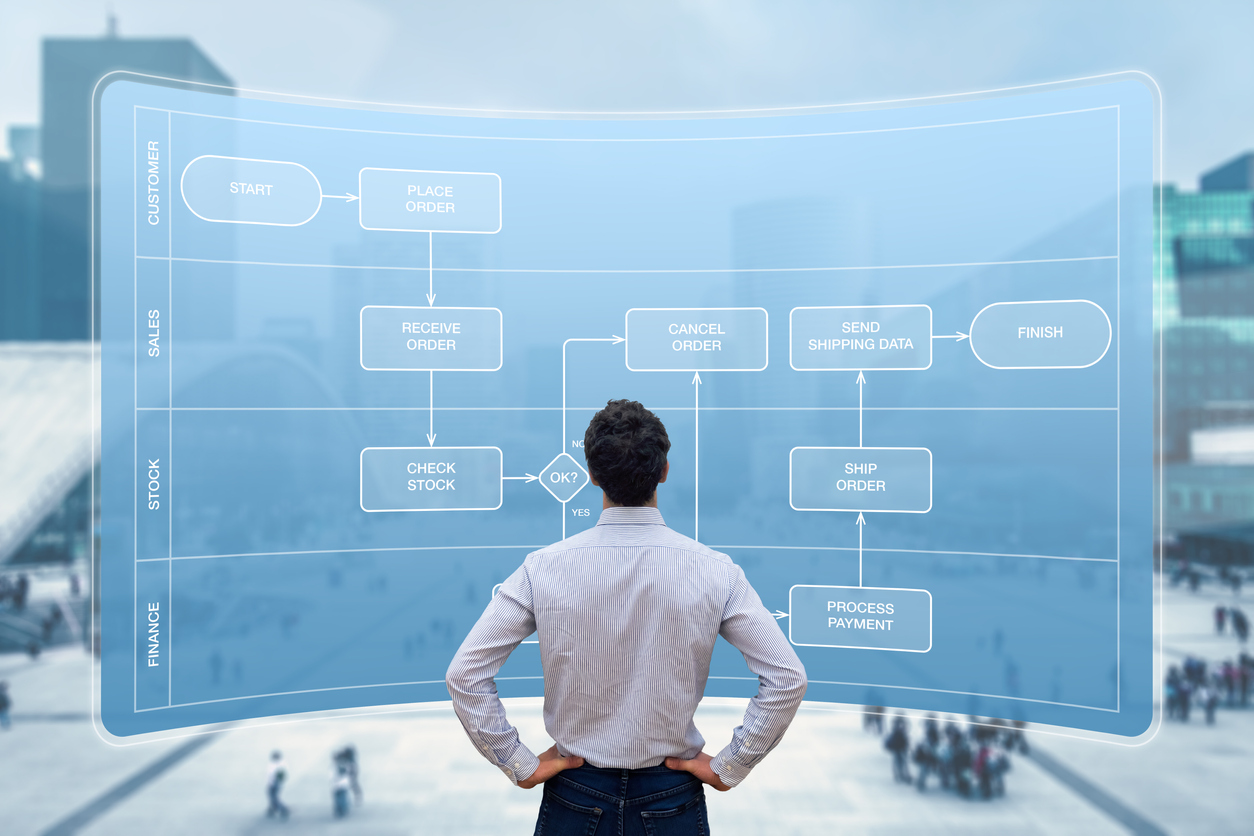
In these days’s quickly-paced electronic landscape, corporations should system details in real time, scale seamlessly, and provide sleek user activities. Conventional ask for/reaction techniques normally drop shorter below these calls for. That’s where Function-Pushed Architecture (EDA) comes in—a style paradigm centered all over creating, detecting, consuming, and reacting to functions.
What's Function-Pushed Architecture?
Event-Driven Architecture (EDA) is a contemporary software design and style tactic that organizes systems across the strategy of events. An occasion is any important improve in state or event in a process—for instance a consumer putting a web based get, a payment being authorized, or possibly a sensor recording a temperature spike. In place of services straight requesting details from each other, they convey by making and reacting to those gatherings.
In EDA, a few Main factors do the job together: event producers, event brokers, and occasion customers. Producers create activities Each time anything meaningful takes place. These activities are sent to an occasion broker (including Apache Kafka, RabbitMQ, or AWS EventBridge), which acts as the central hub for distributing them. Customers then subscribe to and procedure the events relevant to them. For example, when an get is put, just one assistance may possibly take care of payment, Yet another may well update inventory, and a 3rd could ship the confirmation email—all brought on mechanically by precisely the same occasion.
The important thing benefit of this tactic is decoupling. Producers don’t need to have to learn which solutions will eat their activities, and shoppers can be included or taken off with no disrupting existing processes. This adaptability permits units to scale extra conveniently, combine new performance a lot quicker, and respond in genuine time.
EDA is very beneficial in modern use scenarios like e-commerce, fiscal transactions, Web of Matters (IoT) programs, and microservices architectures in which asynchronous communication and responsiveness are important. Nonetheless, it also introduces new complexities, for instance handling party purchasing, managing duplicates, and making certain eventual regularity.
In essence, Occasion-Pushed Architecture shifts the focus from requesting data to reacting to alter. It permits firms to make application that is far more agile, scalable, and aligned with the dynamic, actual-time mother nature of these days’s electronic world.
When to work with Party-Driven Architecture
Celebration-Pushed Architecture (EDA) isn't a one particular-sizing-fits-all Remedy, but it really excels in circumstances the place responsiveness, scalability, and adaptability are essential. Being aware of when to undertake this design strategy may help organizations maximize its strengths although averting avoidable complexity.
Among the best use circumstances for EDA is in authentic-time purposes. Units that require immediate responses—like fraud detection in banking, Reside notifications on social networking, or IoT units checking sensors—gain considerably from EDA’s power to respond The instant an event occurs. Rather than looking forward to scheduled checks or guide triggers, activities right away generate actions.
EDA also thrives in very scalable environments. Due to the fact celebration producers and people are decoupled, Each individual ingredient can scale independently. This can make it particularly valuable for e-commerce platforms, streaming solutions, and journey-hailing apps, in which need can spike unpredictably. Methods can deal with sudden surges without bottlenecks, as consumers is usually scaled up to fulfill the load.
A different sturdy use situation is complicated workflows throughout many programs. As an example, in supply chain administration, an buy function can set off stock checks, delivery updates, and client notifications—all coordinated asynchronously with no one place of failure.
EDA can be a organic fit for microservices architectures. Microservices benefit from free coupling, and EDA offers a method for them to speak efficiently without the need of generating tight dependencies. This ends in a lot more agile, resilient, and maintainable units.
Even so, EDA isn't suitable For each situation. For apps requiring rigorous, synchronous consistency—like some money accounting methods—a ask for/response design might be less difficult and even more responsible.
In summary, Occasion-Pushed Architecture is very best made use of when techniques really need to react promptly, scale dynamically, and handle distributed procedures seamlessly. It transforms applications from currently being passive details pollers into agile techniques that adapt right away to change.
Why Use Function-Pushed Architecture?
Event-Driven Architecture (EDA) presents significant positive aspects for businesses aiming to build techniques that happen to be agile, scalable, and responsive to alter. Not like common request/response versions, EDA lets purposes to react instantaneously to functions, rendering it well-suited for nowadays’s dynamic electronic environments.
Amongst the first factors to utilize EDA is versatility. Producers of functions don’t will need to grasp who consumes them. This decoupling means that services can evolve independently. For instance, should you incorporate a whole new assistance to send out thrust notifications when an buy is put, it could possibly only subscribe to the prevailing buy function with no altering the producer or other buyers. This would make EDA perfect for techniques that must adapt and increase swiftly.
Yet another crucial advantage is scalability. Given that components are loosely coupled, each can scale By itself based upon desire. Substantial-site visitors solutions, like payment processing in e-commerce, can deal with spikes independently without impacting unrelated units for instance inventory or analytics.
EDA also enhances resilience. If a purchaser provider is briefly down, the event broker makes certain that the function is stored and shipped once the services recovers. This cuts down the potential risk of info loss and lets techniques to maintain features even if some pieces fall short.
Additionally, EDA increases functionality and efficiency. Devices don’t waste means polling for updates. Alternatively, they act only when an event happens. This occasion-pushed responsiveness produces speedier, smoother user ordeals, from instantaneous notifications to serious-time analytics dashboards.
Last but not least, EDA supports *uture-proofing. As organizations adopt new systems or enterprise requirements emerge, they can certainly include new people with out disrupting present processes.
In a nutshell, using EDA allows enterprises to construct devices which are far more adaptable, scalable, and aligned with real-time expectations—important advantages in the environment in which agility generally defines success.
Issues Right before Adopting EDA
Whilst Function-Pushed Architecture (EDA) offers versatility, scalability, and resilience, It's not at all without the need of difficulties. Just before adopting it, businesses should really cautiously weigh the trade-offs and decide no matter if the advantages align with their requires and technical maturity.
A major consideration is complexity in design and style and functions. Contrary to ask for/reaction devices, EDA depends on asynchronous interaction, which can make workflows harder to trace. Debugging gets to be a lot more sophisticated, considering that determining the basis reason behind a concern typically calls for tracing gatherings throughout a number of companies and function streams. Teams need to invest in robust monitoring and logging applications to take care of visibility.
A different component is celebration purchasing and duplication. In distributed methods, occasions may well not normally get there while in the purchase they had been created, or They could be shipped a lot more than after. Developers need to structure idempotent people (capable to deal with duplicate situations with no problems) and account for possible delays or website inconsistencies.
EDA also introduces the concept of eventual regularity. While this is appropriate in lots of use instances, it might be problematic in devices that demand strict, speedy accuracy, such as selected fiscal accounting or compliance-driven apps. Companies will have to Consider whether or not their business enterprise processes can tolerate slight delays in data synchronization.
Ability specifications existing Yet another challenge. Planning, deploying, and sustaining EDA devices needs specialised understanding in celebration brokers, messaging patterns, and dispersed systems. Groups might have added training or new hires, which will increase prices.
Ultimately, You can find the issue of infrastructure overhead. Celebration brokers and messaging platforms add One more layer to deal with. Although cloud suppliers offer managed companies like AWS EventBridge or Google Pub/Sub, depending on them might enhance prices and produce seller lock-in.
In summary, EDA is impressive but not universally applicable. Corporations should contemplate complexity, regularity requires, infrastructure, and team knowledge in advance of adoption. With the ideal preparation, EDA can provide enormous price—without the need of becoming an needless load.
Summary
Celebration-Pushed Architecture is much more than a buzzword—it’s a sensible Remedy for constructing scalable, responsive, and resilient devices within an significantly serious-time world. By comprehending when and why to utilize it, firms can harness its strengths even though averting avoidable complexity. For lots of modern applications, EDA isn’t just an option—it’s becoming the standard.